
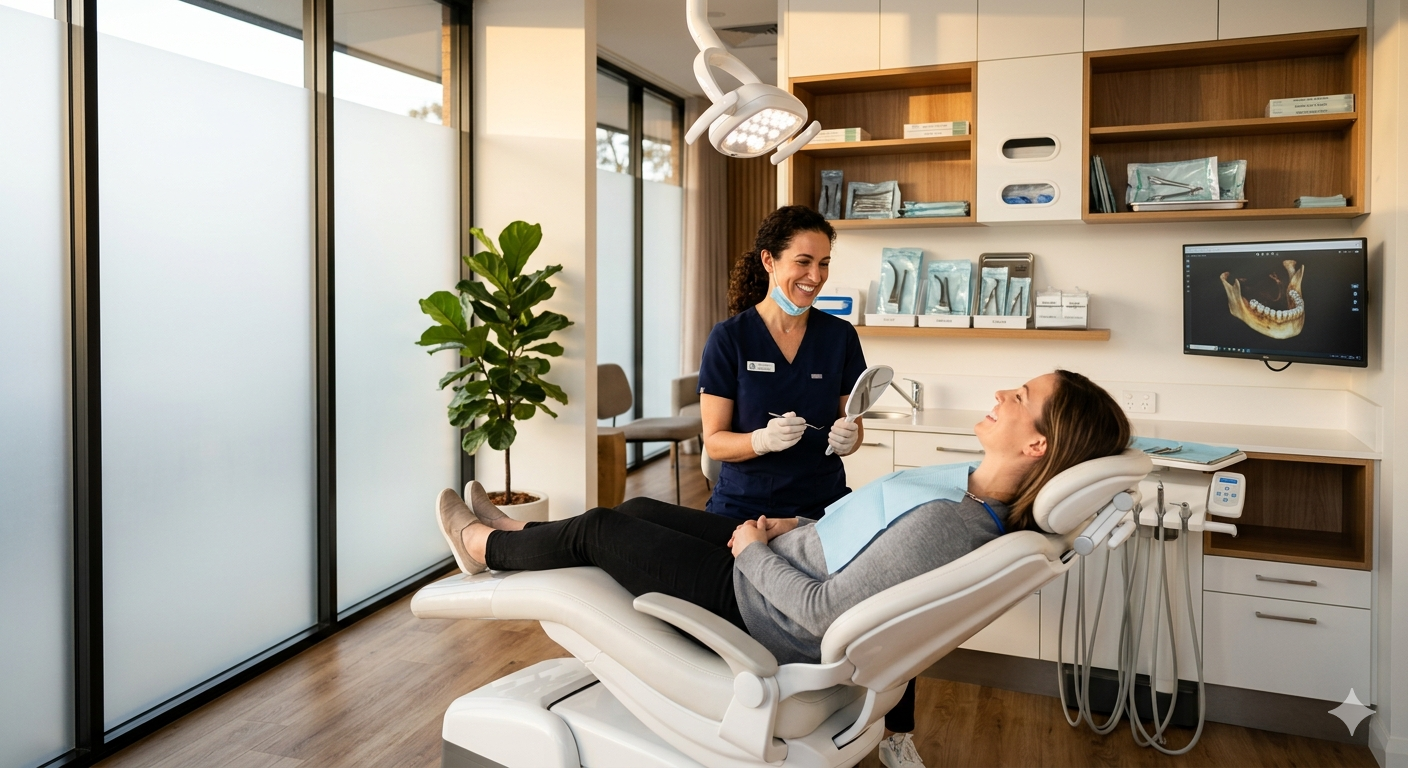
Same-Day Crowns Rancho Cucamonga CA — Quick, Comfortable Restorations From Your Local Dental Expert
You’re busy, and a dental crown that takes weeks doesn’t fit your schedule. Same-day crowns in Rancho Cucamonga let you get a custom, permanent crown in a single visit, so you leave the office with a finished smile and no temporary restoration.
A local dental team explains how this faster option works, who benefits most, and what to expect from the appointment — from digital impressions to milling and final placement. You’ll learn practical details about costs, comfort, and aftercare so you can decide whether same-day crowns match your needs and lifestyle.
If you want efficient, modern care with an emphasis on comfort and durability, this article walks through the process and how to choose the right Rancho Cucamonga practice to handle your crown quickly and confidently.
Understanding Same-Day Dental Crowns
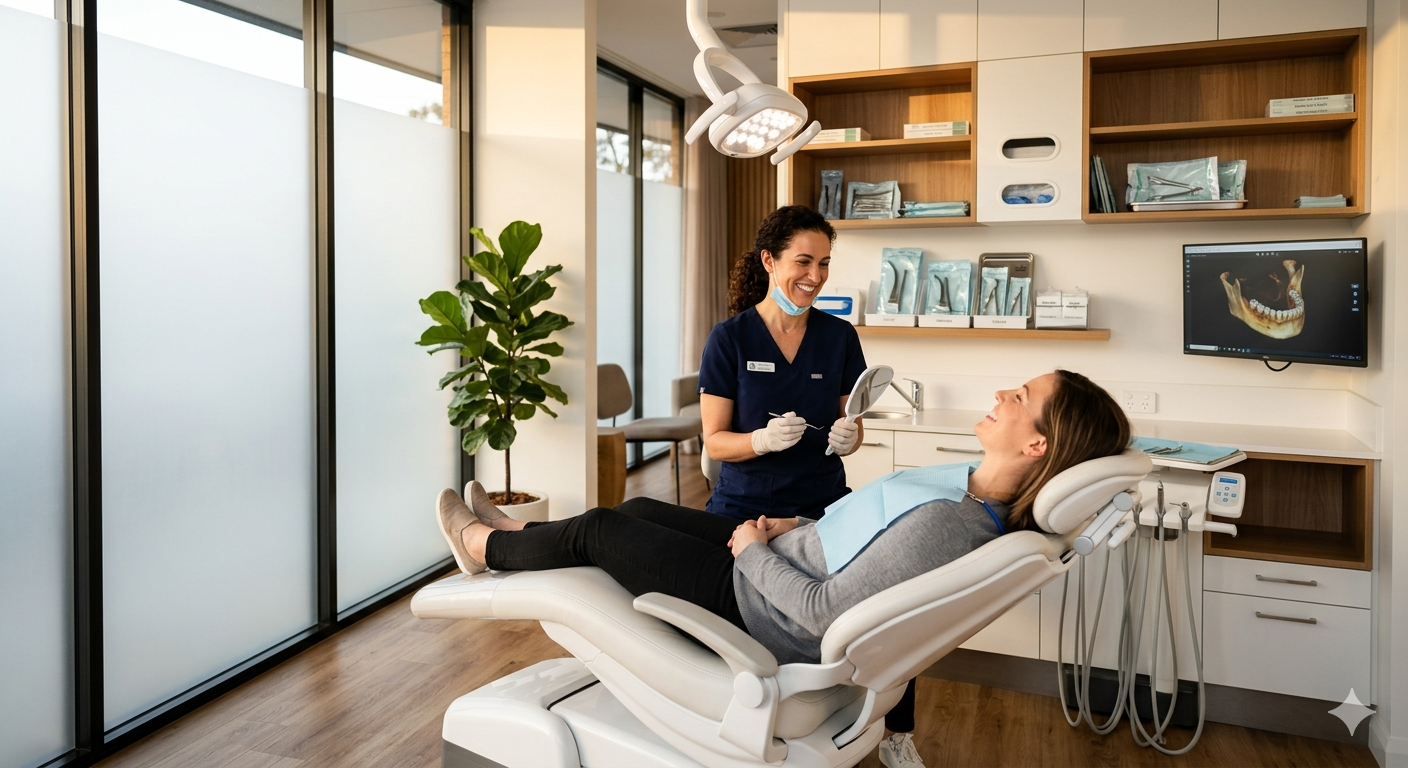
Same-day crowns replace damaged or decayed teeth in a single visit using digital scanning and in-office milling. Patients get a customized, tooth-colored restoration without a temporary crown or a second appointment.
What Are Same-Day Crowns?
Same-day crowns are ceramic restorations designed, milled, and bonded within one dental visit. The dentist removes decay or reshapes the tooth, captures a digital impression, and fabricates a crown that matches the patient’s bite and shade.
These crowns typically use high-strength materials like monolithic zirconia or lithium disilicate. They fit precisely because the digital scan records occlusion and neighboring teeth, reducing adjustments at placement.
Benefits include fewer appointments, no temporary crown, and immediate return to normal chewing. Candidates include patients needing single crowns for fractured, decayed, or heavily restored teeth; extensive cases may still require traditional lab work.
How CEREC Technology Works
CEREC uses three core steps: digital scanning, CAD design, and in-office milling. The dentist takes an optical scan of the prepared tooth and surrounding areas, producing a 3D model within minutes.
The clinician designs the crown on the CAD software, adjusting margins, contacts, and occlusion. Once approved, the milling unit carves the crown from a ceramic block, usually within 10–20 minutes depending on complexity.
After milling, the crown is polished, stained or glazed if needed, and tried in. The dentist makes final adjustments and bonds the crown with resin cement. This streamlined workflow minimizes chair time and reduces the chance of fit errors from impressions sent to a lab.
Traditional vs. Same-Day Crowns
Traditional crowns rely on physical impressions, temporary crowns, and an external dental lab to fabricate the final restoration. That process usually takes two or more visits over 2–3 weeks and can risk temporary-crown complications like dislodgement.
Same-day crowns eliminate the temporary stage and shorten treatment to a single visit. Digital scans reduce remakes caused by impression distortion, and in-office milling gives patients immediate final restorations.
However, labs can offer more material and color-matching options for complex cosmetic cases. For multi-unit bridges or highly customized esthetic zones, traditional lab work may still be preferable. Dentists evaluate each case to match the method to the patient’s functional and esthetic needs.
Benefits for Patients in Rancho Cucamonga
Same-day crowns shorten treatment time, reduce office visits, and let patients leave with a finished restoration the same day. They also improve comfort, fit, and long-term value compared with multiple-visit crown workflows.
Convenience of Single-Visit Dentistry
Patients save time by completing preparation, digital scanning, milling, and placement in one appointment. For busy Rancho Cucamonga residents, that often means fewer missed work hours and less scheduling stress.
The digital workflow eliminates temporary crowns that can loosen or fracture. That reduces follow-up calls and emergency visits for lost temporaries.
Insurance and payment processes remain the same as conventional crowns; many practices will submit claims for single-visit restorations. Patients should verify coverage beforehand to avoid surprises.
Comfort and Fit Improvements
Intraoral scanners replace messy impression material with a quick digital scan that most patients find more comfortable. Scanning takes minutes and avoids gagging or the need for retakes.
Same-day crowns are milled from high-strength ceramic based on the exact digital model, improving marginal fit. A precise fit reduces food trapping and sensitivity after placement.
Clinicians can try in and adjust the crown chairside before final cementation, ensuring bite comfort and esthetics immediately. That hands-on adjustment often means fewer post-op adjustments and better day-one comfort.
Durability and Longevity
Modern CAD/CAM ceramics used for same-day crowns, such as monolithic zirconia or lithium disilicate, offer high fracture resistance for posterior and anterior restorations. These materials resist wear and maintain shape under normal chewing forces.
Proper tooth preparation, bonding technique, and occlusal adjustment are critical to long-term success. When clinicians follow manufacturer protocols and use reliable cements, same-day crowns can last as long as conventionally made crowns.
Regular dental checkups and nightguard use for bruxism further protect the restoration. Patients are encouraged to discuss material choice and maintenance with their dentist to match durability to their lifestyle.
Step-By-Step Overview of the Procedure
This section explains how the dentist moves from exam to finished crown in one visit, including preparations, digital scanning and design, then milling and placement. It focuses on what the patient will feel, the time involved, and what each step accomplishes.
Initial Examination and Preparation
The dentist reviews medical and dental history, X-rays, and the tooth’s condition to confirm a same-day crown is appropriate. They check for decay, cracks, and bite alignment; if a root canal or extensive buildup is needed first, the clinic schedules that before proceeding.
Local anesthesia is applied to numb the area; patients typically feel pressure but not pain. The dentist removes damaged or decayed enamel and shapes the tooth to create a stable base for the crown, preserving as much healthy tooth as possible.
If existing restorations are present, the clinician removes those and builds up the tooth with composite when necessary. The entire prep usually takes 20–45 minutes depending on complexity, with staff explaining sensations and timing to keep the patient comfortable.
Digital Impressions and Design
After preparation, the clinician uses an intraoral scanner to capture high-resolution 3D images of the prepared tooth, adjacent teeth, and bite. This scan replaces messy putty impressions and takes only a few minutes, producing accurate data for crown design.
The dentist and lab technician (or in-office CAD software) design the crown digitally, adjusting shape, contact points, and occlusion to match the patient’s bite. They select shade and translucency to blend with surrounding teeth using standardized shade guides and photos.
Patients can often view the proposed design on-screen, and the dentist makes any final adjustments before milling. This step ensures fit and function while minimizing remakes and postoperative adjustments.
Milling and Placing the Crown
The design file goes to an in-office milling unit that carves the crown from a ceramic block, typically taking 10–30 minutes depending on material and complexity. Milling occurs in the same suite or a nearby lab area while the patient waits comfortably or reviews postoperative instructions.
After milling, the crown is tried in to check fit, contacts, and bite. The clinician may make minor adjustments with polishing instruments and, if necessary, shade-stain and glaze the restoration for a natural appearance.
Finally, the dentist bonds the crown using dental cement or adhesive and verifies occlusion, asking the patient to bite and chew gently. The whole visit commonly finishes within 1.5–3 hours; the dentist provides aftercare guidelines and schedules follow-up if needed, encouraging questions or concerns before the patient leaves.
Ideal Candidates and Patient Considerations
Same-day crowns suit many patients who need a fast, single-visit restoration without multiple impressions or temporaries. Dental health, bite forces, and the specific tooth involved determine whether same-day CAD/CAM crowns are the best choice.
Who Is a Good Fit for Same-Day Crowns?
Patients with a single damaged, fractured, or decayed tooth and adequate remaining tooth structure often qualify. They benefit most when the tooth does not require extensive root canal retreatment or large posts.
People who prefer fewer appointments — such as busy professionals, parents, or those traveling — find same-day crowns very convenient. Those with metal allergies or a desire for all-ceramic esthetics also gain from CAD/CAM zirconia or lithium disilicate options.
Good candidates typically have controlled gum disease and can tolerate local anesthesia. Dentists will evaluate bite alignment and parafunctional habits; mild bruxism can be managed with nightguards, but severe grinding may require alternative materials or staged treatment. Immediate digital scans and in-office milling make same-day workflows predictable for suitable cases.
Limitations and Special Cases
Teeth with extensive structural loss, needing complex core buildups or posts, may not be suitable for single-visit crowns. In those cases, staged treatment allows proper healing and stronger foundations before final restoration.
Patients with uncontrolled periodontal disease or active infections need periodontal or endodontic care first. Same-day crowns placed over unresolved infection increase risk of failure and postoperative complications.
Complex occlusal issues, full-mouth rehabilitations, or cosmetic cases requiring custom shading and layering may benefit from lab-fabricated crowns for finer color matching. Pediatric patients, severe gag reflex, or limited mouth opening can complicate in-office scanning and milling, and alternative scheduling or sedation options might be recommended.
If uncertain, the dentist will perform a clinical exam, radiographs, and bite analysis to decide the safest, most durable approach and discuss options including same-day versus lab-made crowns.
Cost Factors and Insurance Coverage
Same-day crowns in Rancho Cucamonga vary in price based on material choices, lab and technology costs, the dentist’s experience, and any preparatory work required. Insurance often covers part of the cost but limits and waiting periods can apply.
What Affects the Total Price?
Material drives much of the cost. Monolithic zirconia and e.max (lithium disilicate) crowns cost more than basic porcelain-fused-to-metal because they require advanced milling and high-quality blocks.
Chair time and technology matter. Same-day crowns made with an in-office CAD/CAM system add fees for the scanner and milling unit; those fees are typically folded into the visit price.
Tooth condition changes the estimate. Extensive decay, root canal therapy, or need for a core buildup or post raises the total.
Provider skill influences price. Dentists with CAD/CAM training and esthetic expertise may charge higher fees but often reduce adjustments and remakes.
Location and clinic overhead affect rates. Rancho Cucamonga practices near major commercial zones may have higher overhead than suburban offices.
Navigating Dental Insurance
Most dental plans categorize crowns as a major service and cover 50% after any deductible, but specifics vary by plan. Patients should verify annual maximums—commonly $1,000–$2,000—and note that same-day technology itself is rarely a separate covered benefit.
Pre-authorization helps avoid surprises. A dentist can submit a predetermination with X-rays and a procedure code (D2790–D2792 for porcelain/ceramic crowns) to get an estimated patient responsibility.
Out-of-pocket options include flexible spending accounts (FSA), health savings accounts (HSA), and payment plans. Many offices offer in-house financing or third-party plans with low monthly payments.
If a crown is replacement for an existing restoration, carriers often apply a waiting period (6–12 months) or prorate coverage based on the age of the previous crown. Patients should request a benefits breakdown before proceeding.
Caring for Your New Crown
A properly fitted crown feels and functions like a natural tooth when cared for correctly. Regular cleaning and timely checkups preserve the crown’s strength, appearance, and the health of surrounding teeth and gums.
Daily Cleaning Tips
They should brush twice daily with a soft-bristled toothbrush and fluoride toothpaste, using gentle circular motions along the gum line. Pay special attention where the crown meets the tooth to remove plaque that can cause decay at the margin.
Floss once daily by sliding the floss up and down alongside the crown rather than snapping it through; use a floss threader or interdental pick if the crown is connected to a bridge. An antimicrobial mouth rinse can reduce bacteria, but avoid alcohol-based rinses if sensitivity occurs.
Avoid chewing ice, hard candies, or very sticky foods for the first week and use caution thereafter to prevent chipping. If parafunctional habits like teeth grinding exist, ask about a custom night guard to protect the crown and opposing teeth.
Preventive Dental Checkups
They should schedule a follow-up visit about two weeks after crown placement so the dentist can check fit, occlusion (bite), and gum response. Minor adjustments to bite or crown contours are common and simple to correct.
Maintain routine dental cleanings every six months or as recommended; hygienists remove calculus that home care misses and assess the crown’s margin for early signs of decay. Bring any sensitivity, pressure when biting, or looseness to the dentist immediately to avoid more extensive repair.
If the crown chips, becomes loose, or a neighboring tooth changes position, prompt attention preserves the restoration and prevents damage to adjacent teeth. Patients concerned about appearance can discuss polishing or replacement options with their dentist.
Choosing the Right Dental Practice in Rancho Cucamonga
Patients should look for a practice that offers same-day crowns with clear explanations of the process. They benefit from offices that use CEREC or similar CAD/CAM technology to design, mill, and place a crown in one visit.
Check credentials and experience. Verify that dentists are licensed, trained in same-day crown procedures, and show before-and-after photos or patient testimonials.
Prioritize comfort and communication. Practices that discuss anesthesia options, pain management, and post-op care make the appointment less stressful. Friendly staff who answer questions promptly indicate a patient-centered approach.
Compare technology and materials. Modern ceramics, digital impressions, and on-site milling produce more accurate fits and better aesthetics. Ask about brands and warranties for peace of mind.
Consider convenience and accessibility. Look for flexible scheduling, evening appointments, and a location with easy parking in Rancho Cucamonga. Insurance acceptance and financing options also affect final cost and access.
Use a short checklist when evaluating practices:
- License and training verified
- Patient reviews and photos available
- Technology: digital impressions, on-site milling
- Comfort: anesthesia and clear aftercare instructions
- Practical: hours, parking, payment options
They should call the office with specific questions or schedule a consult to assess fit and comfort. A brief visit often clarifies whether the practice aligns with their needs.
Next Steps Toward a Healthier Smile
Patients should schedule a consultation to review their oral health and confirm whether a same-day crown suits their needs. The dentist will examine the tooth, discuss materials, and explain what to expect during the single-visit process.
They should ask about numbing options and comfort measures if anxiety or sensitivity is a concern. Many Rancho Cucamonga practices offer sedation choices and calming techniques to make the visit easier.
Bring dental insurance details and a list of medications to the appointment. Staff can run benefits and provide a clear cost estimate so there are no surprises.
Follow-up care matters: maintain regular cleanings and avoid hard or sticky foods for a few days after crown placement. Proper brushing and flossing around the crown will extend its life.
Consider maintenance plans or protective nightguards if grinding is an issue. The dentist can recommend preventive steps tailored to each patient’s bite and habits.
Patients who want to compare options can request photos or digital scans used in the crown process. Seeing the images helps them understand fit, color, and why a specific material was chosen.
Questions are welcome; staff expect them and answer in plain language. Call or book online to arrange an evaluation and start the path to restored function and confidence.
Frequently Asked Questions
This section answers common patient concerns about same-day crowns in Rancho Cucamonga, including how the chairside process works, typical costs and insurance issues, candidacy criteria, pain management, and expected lifespan compared with lab-made crowns.
Can a dental crown really be made and placed in just one visit?
Yes. Dentists use CAD/CAM scanners to capture the tooth digitally, design the crown on a computer, and mill a ceramic restoration while the patient waits.
The dentist then checks fit, adjusts bite, and bonds the crown in the same appointment, typically taking 60–90 minutes for a single tooth.
How much do same-day crowns typically cost, and what affects the price?
Prices in Rancho Cucamonga commonly range from about $1,000 to $2,000 per crown, depending on materials and practice overhead.
Factors that raise cost include high-strength ceramics, extensive tooth preparation, need for core build-up or posts, and any additional imaging or sedation services.
Am I a good candidate for a same-day crown, or would a traditional crown be better for me?
Patients with adequate tooth structure and no complex bite or major cosmetic demands are usually good candidates for same-day crowns.
Those needing full-mouth cosmetic customization, specialized shading, or complex implant work might benefit more from a lab-made crown staged over two visits.
How long do same-day crowns usually last compared to lab-made crowns?
Well-made same-day ceramic crowns often last 8–15 years with good oral hygiene and regular dental visits.
Laboratory-processed crowns can have similar or longer lifespans when they use specialized materials or layered esthetics, but longevity depends mostly on maintenance, bite forces, and the skill of the provider.
Will getting a crown in one appointment hurt, and what can I expect during the visit?
Dentists numb the area with local anesthesia, so patients typically feel pressure but little to no pain during preparation.
Post-procedure soreness and mild sensitivity are common for a few days; over-the-counter pain relievers and soft foods usually control discomfort.
Do dental insurance plans usually help cover same-day crowns, and what should I ask my provider?
Many dental plans cover a portion of crown costs, often treating same-day crowns the same as lab crowns if the material and procedure codes match.
Ask the insurer whether they require preauthorization, what percentage they cover, any annual maximums, and whether the practice will submit claims or provide a pre-treatment estimate.