
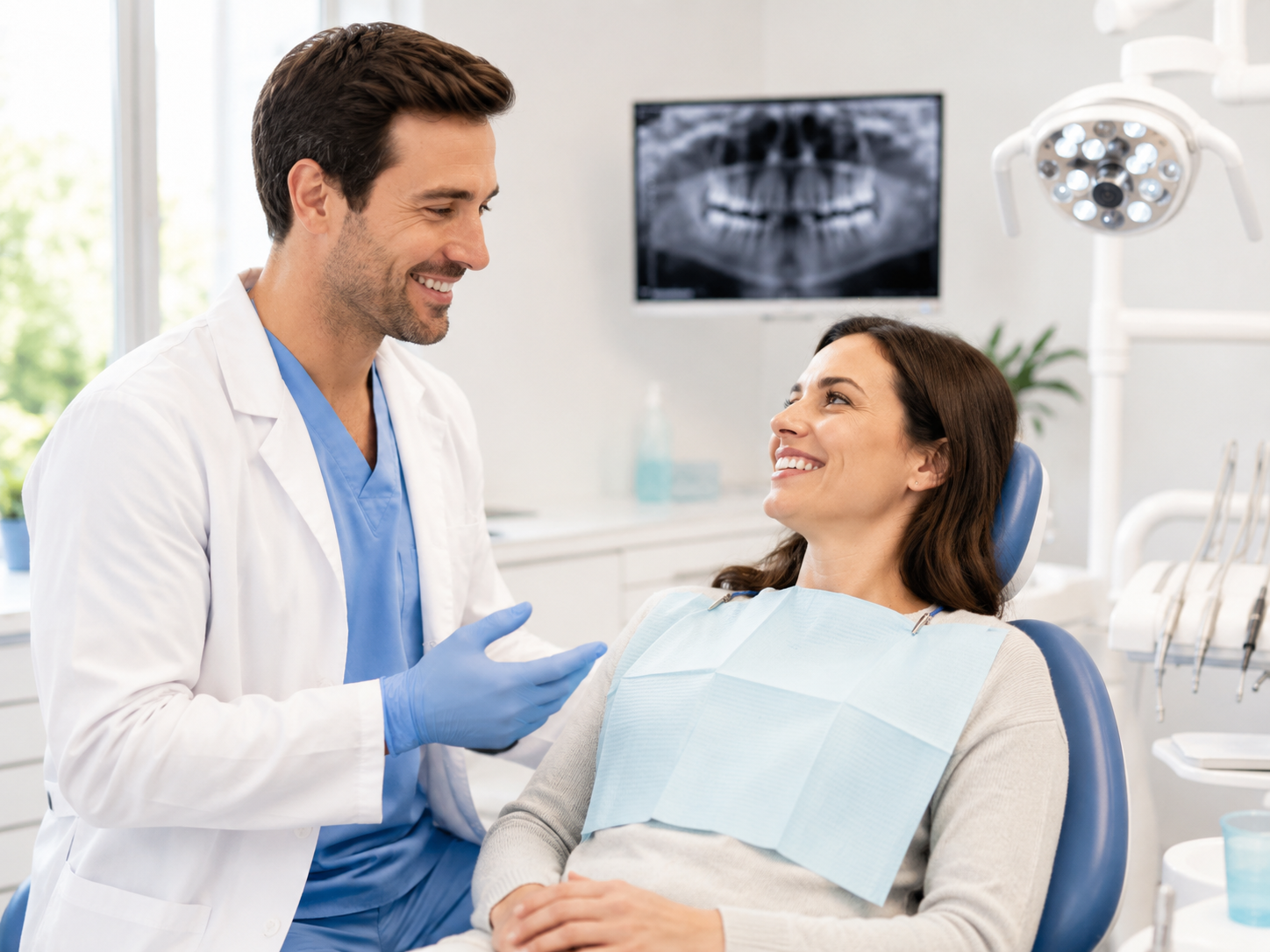
Family Dentist Rancho Cucamonga CA — Gentle, Trusted Care for Your Whole Family
Looking for a family dentist in Rancho Cucamonga, CA that treats every age with skill and kindness? You’ll find practices nearby that combine modern technology, gentle care, and clear communication so each visit feels straightforward and comfortable.
Choose a local family dentist to keep preventive care, routine treatment, and emergency visits coordinated for everyone in your household. This article explains why a neighborhood practice matters, what services you can expect, how they make care comfortable, and how to book your first visit with confidence.
Why Choose a Local Family Dentist
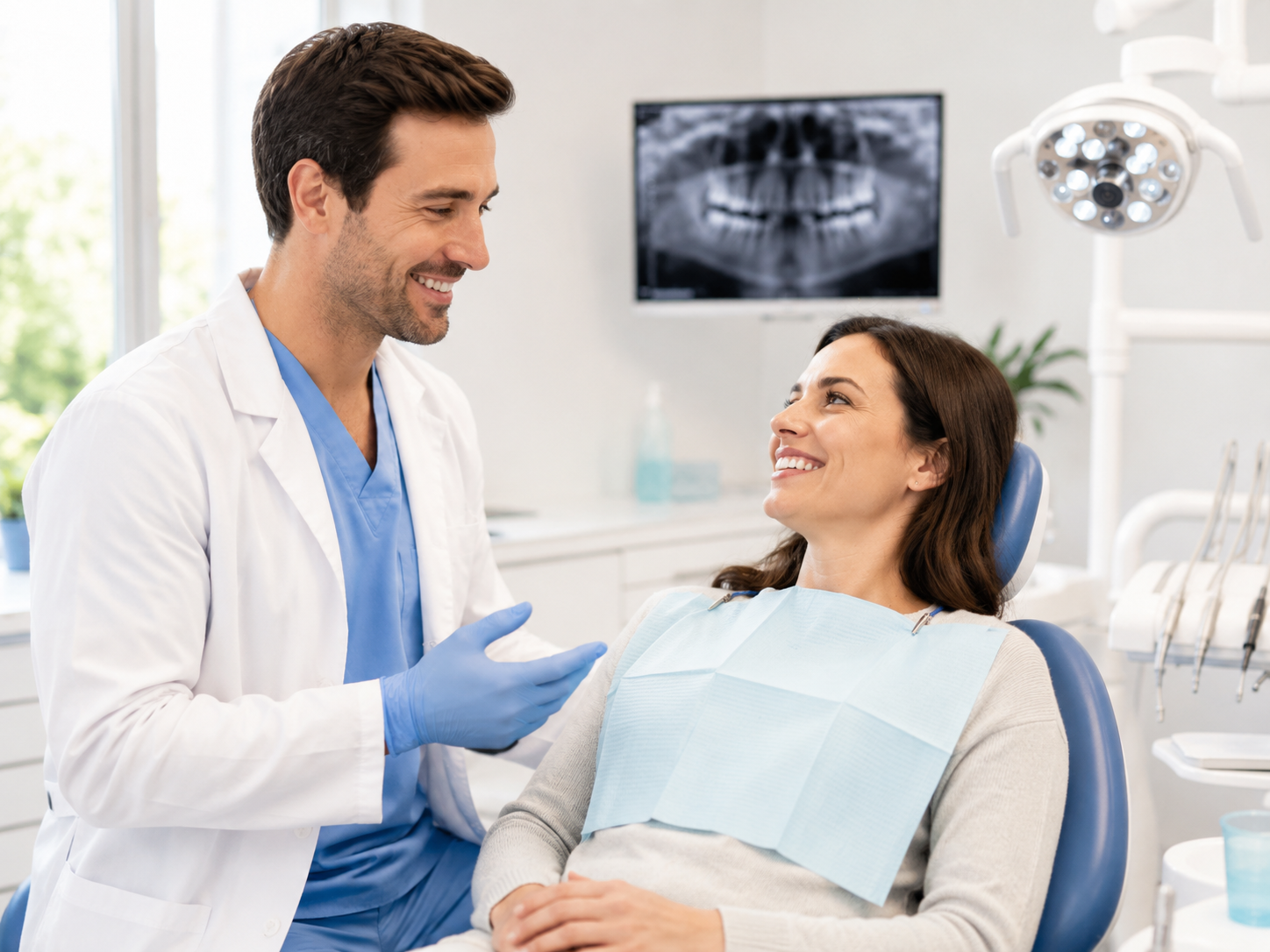
A local family dentist offers care that fits daily life, protects long-term oral health, and eases dental anxiety for every family member. They combine practical convenience with personalized treatment plans and ongoing relationships that improve outcomes.
Personalized Care for All Ages
A family dentist in Rancho Cucamonga treats infants through seniors, adjusting exams and treatments to each developmental stage. Pediatric visits include growth monitoring, fluoride recommendations, and early cavity prevention, while adult care emphasizes gum health, crowns, and cosmetic options tailored to work and lifestyle.
They coordinate care for teens moving into orthodontics and seniors with dry mouth or denture needs. Treatment plans consider medical history, medications, and habits like sports or tobacco use, which influence cavity and gum disease risk.
Care teams often provide behavior management and sedation choices for anxious children or adults. They document progress across visits, using digital X-rays and intraoral photos so decisions stay consistent as patients age.
Convenient Location in Rancho Cucamonga
A neighborhood practice near Victoria Gardens, Etiwanda, or the Foothill Boulevard corridor reduces travel time and scheduling friction. Short commutes make it easier to keep routine cleanings every six months and attend follow-up visits after procedures like root canals or implant placement.
Local offices usually offer flexible morning, evening, or weekend hours to fit school and work schedules. Proximity also matters in emergencies: patients can access same-day or next-day appointments for tooth pain, swelling, or a knocked-out tooth.
Parking, wheelchair access, and familiarity with local insurance networks simplify the logistics of care. Many clinics accept major PPOs and file claims directly, reducing administrative hassle for families.
Building Long-Term Relationships
A consistent dentist-patient relationship improves detection of subtle changes, such as early enamel erosion or shifting bite patterns. When the same clinician reviews records year after year, patterns in wear, gum recession, or recurring cavities become easier to interpret and treat proactively.
Trust also reduces fear: children who grow up visiting the same office are likelier to cooperate during procedures. Adults benefit from continuity when facing complex care like full-mouth rehabilitation or implant-supported dentures, because the team already knows their preferences and medical background.
Long-term relationships enable tailored preventive programs—custom trays for fluoride, targeted periodontal maintenance, or habit-splinting for grinding. The result: fewer surprises, more predictable outcomes, and care that evolves with the family’s needs.
Comprehensive Dental Services Offered
The practice emphasizes preventive care, precise restorative work, and aesthetic options to keep smiles healthy and confident. Treatments range from routine cleanings and sealants to crowns, implants, and teeth whitening, all delivered with modern equipment and a focus on patient comfort.
Preventive Dentistry for Children and Adults
The office provides age-specific preventive care: fluoride varnish and dental sealants for children, and periodontal screenings and maintenance for adults. Routine exams include digital X-rays, oral cancer screening, and bite analysis to catch problems early.
Hygiene appointments combine ultrasonic scaling, hand instrumentation, and personalized home-care plans. The hygienist teaches brushing and flossing techniques tailored to braces, aligners, or sensitive gums. For children, staff use gentle behavior guidance and positive reinforcement to build lifelong healthy habits.
Vaccination and medical history reviews help identify risk factors such as diabetes or pregnancy that affect oral health. The practice offers personalized recall intervals—every three, six, or twelve months—based on risk level rather than a one-size-fits-all schedule.
Modern Restorative Treatments
Restorative care addresses cavities, broken teeth, and tooth loss using durable materials and conservative techniques. Composite fillings match tooth color and preserve more natural tooth structure compared with older amalgam restorations.
Crowns and onlays restore strength after large restorations or root canal therapy; many are made with CAD/CAM milling for same-day placement when appropriate. For missing teeth, the office provides implant planning, guided implant placement, and implant crowns, often coordinating with local oral surgeons.
Dentures and bridges remain options for multiple missing teeth, with digital impressions and adjustable fittings to improve comfort. The team explains costs, timelines, and maintenance—such as night guards for bruxism—to help patients choose the best long-term solution.
Cosmetic Dentistry Options
Cosmetic services focus on realistic, durable improvements: professional whitening, porcelain veneers, and tooth-colored bonding. Whitening uses in-office high-concentration gels or supervised take-home trays to brighten teeth safely.
Porcelain veneers can address chips, gaps, and shape concerns with minimal enamel removal when possible. Composite bonding offers a lower-cost, reversible alternative for small cosmetic corrections and can be completed in one visit.
Orthodontic options include clear aligner therapy for mild to moderate alignment issues and traditional braces when indicated. The team reviews before-and-after cases, expected timelines, and maintenance routines so patients understand both cosmetic outcomes and oral health implications.
Comfort and Patient Experience
The office prioritizes calm, respectful care, modern comfort features, and clear communication to reduce anxiety and improve outcomes. Patients can expect gentle techniques, a soothing environment, and family-focused approaches for children.
Gentle, Friendly Approach
The dentist greets patients by name and reviews medical history before starting treatment to build trust and personalize care. They explain each step in plain language and ask for permission before touching, which helps patients feel in control.
Clinicians use topical anesthetics, warmed instruments, and slow, deliberate injections when local anesthesia is needed. For nervous patients, they offer nitrous oxide or short breaks during longer procedures to maintain comfort.
Staff members keep treatment timelines realistic and discuss pain-management plans up front. They provide written aftercare instructions and a direct contact number for questions after hours.
Comfort-Focused Office Environment
The waiting area and operatories use warm lighting, comfortable seating, and noise reduction strategies to lower stress. Operatories include adjustable chairs, lumbar support, and blankets on request to improve physical comfort during procedures.
They provide noise-cancelling headphones and streaming entertainment for adults and children. Climate control and air purification systems maintain good air quality and temperature for all patients.
The front desk handles billing and insurance clearly, offering estimates and payment plan options so patients face fewer surprises. Digital charting speeds check-in and shortens wait times, which many patients appreciate.
Kids’ First Dental Visits
The practice schedules early visits with longer appointment times to let children become familiar with the team and tools. Hygienists demonstrate instruments on a stuffed animal and use playful language to reduce fear.
Preventive care focuses on gentle cleanings, fluoride varnish, and age-appropriate sealants to protect molars. The team discusses diet, brushing techniques, and pacifier or thumb-sucking guidance with parents in simple, actionable steps.
They offer parental coaching on at-home routines and set developmentally appropriate recall intervals. When more treatment is needed, the dentist outlines options, timelines, and sedation choices so families can decide calmly.
Advanced Technology in Everyday Care
Modern equipment improves diagnosis speed, reduces radiation, and preserves more natural tooth structure. Patients benefit from clearer images, quicker visits, and gentler treatments that focus on comfort and long-term preservation.
Digital X-Rays and Imaging
Digital X-rays cut radiation exposure by up to 80% compared with traditional film, while providing immediate high-resolution images on-screen. Dentists use these images to spot cavities between teeth, monitor bone levels around implants, and compare changes over time with side-by-side views.
In many Rancho Cucamonga practices, intraoral cameras capture close-up photos of teeth and gums, helping clinicians show patients exact problem areas. Cone beam CT (CBCT) scans provide 3D views for complex cases such as implant planning or evaluating impacted teeth, improving precision and reducing surprises during treatment.
Images integrate with electronic records, so clinicians can annotate, measure, and share findings with specialists quickly. That streamlines referrals and helps patients understand proposed treatments through visuals they can see and ask about.
Minimally Invasive Techniques
Minimally invasive dentistry emphasizes conserving healthy tooth structure using targeted tools and materials. Air abrasion and laser dentistry remove decay with less vibration and heat than a traditional drill, which often reduces the need for local anesthesia and speeds recovery.
For restorations, adhesive bonding and ceramic onlays allow repair of damaged teeth without full crowns, preserving more enamel and dentin. In preventive care, resin infiltration can arrest early enamel lesions without drilling, helping avoid future fillings.
These techniques pair with digital treatment planning to customize care—decisions rely on precise imaging and conservative approaches. The result is less pain, fewer complications, and restorations that last while maintaining a more natural tooth form.
Education and Preventive Guidance
This section explains clear, practical steps patients can use at home and in the office to protect teeth and gums, manage diet, and reduce anxiety during dental visits. It focuses on actionable tips, specific foods and habits, and gentle strategies to make visits more comfortable.
Easy Oral Hygiene Tips
Patients should brush twice daily for two minutes with a soft-bristled brush and fluoride toothpaste. Emphasize small circular motions along the gum line and all tooth surfaces; replace the brush every three months or sooner if bristles splay.
Floss once daily using a gentle C‑shape against each tooth to remove plaque from interdental spaces. If traditional floss is hard to use, suggest floss picks, interdental brushes (sizes 0.6–1.2 mm common), or a water flosser set to low-to-medium pressure.
Recommend an ADA‑accepted mouthrinse with fluoride for high-cavity-risk patients and a chlorhexidine rinse only for short-term use after periodontal procedures. Advise using an electric toothbrush with a pressure sensor for patients who brush too hard.
Offer a simple home checklist: brush AM/PM (2 minutes), floss nightly, rinse if recommended, and schedule dental exams every six months or as the dentist advises based on risk.
Diet and Dental Health
Limit fermentable carbohydrates and sticky snacks that cling to teeth, such as dried fruit, candy, and chewy granola bars. These increase acid exposure time and raise cavity risk.
Encourage water as the primary drink, especially fluoridated tap water, and suggest substituting sugary beverages with sparkling water or unsweetened tea. If juice or soda is consumed, advise drinking with meals and using a straw to reduce contact with teeth.
Promote teeth-friendly snacks like plain yogurt, raw vegetables, cheese, and nuts; cheese and yogurt help neutralize acid and supply calcium. For children and adults at high risk for decay, discuss professionally applied fluoride varnish and prescription-strength fluoride toothpaste (5000 ppm) as targeted prevention.
Outline timing tips: avoid frequent grazing, wait 30–60 minutes before brushing after acidic foods to protect enamel, and consider xylitol mints for reduced bacterial growth when brushing isn’t possible.
Preventing Dental Anxiety
Acknowledge common triggers: fear of pain, loss of control, and past negative experiences. Offer preparatory steps like a pre‑visit phone call to review the procedure, tour the operatory, or meet the hygienist in a low‑pressure setting.
Recommend on-the-day tactics: schedule morning appointments for less anticipatory stress, use deep-breathing or guided imagery for basic calming, and request a stop signal to retain control during treatment. Nitrous oxide provides mild anxiolysis and wears off quickly; oral sedatives or IV sedation suit more severe anxiety and require medical history review.
Suggest behavioral techniques for children: role-play with a toothbrush, read dentist-themed books, and plan short, positive visits first. Encourage patients to discuss sedation options, time needed, and recovery expectations with the dentist to choose the safest, most comfortable approach.
Insurance, Financing, and Accessibility
Most patients want to know which plans are accepted, how to handle out-of-pocket costs, and whether the office is easy to reach and navigate. Clear information on insurance, payment choices, and physical accessibility helps families plan appointments and avoid surprises.
Accepted Insurance Plans
The practice accepts most major PPO plans and several HMO networks. Common carriers include Delta Dental, Cigna, MetLife, Aetna, Guardian, and UnitedHealthcare. Patients should verify in-network status before scheduling, since coverage varies by plan and by specific dentist within a network.
For Medicaid and CHIP, the office accepts selected state plans for children; adults on Medi-Cal should call to confirm eligibility. Preventive visits—cleanings, exams, and X-rays—are typically covered at higher rates than restorative work. Reception staff can run a benefits check and provide an estimate of patient responsibility prior to treatment.
Patients without insurance receive the same clinical care; financial arrangements differ. The practice provides written fee estimates and explains what portion insurance may cover. Keeping a photo ID and current insurance card speeds check-in and benefits verification.
Flexible Payment Options
The office offers multiple ways to handle payments to reduce financial stress. Accepted methods include cash, major credit cards, debit cards, and contactless payments. For larger procedures, the practice provides in-house payment plans with low or no interest over short terms.
They also partner with third-party dental financing companies like CareCredit and Proceed Finance to spread costs over 6–24 months. Applications are quick and often give an immediate answer. Patients should review interest rates, monthly payments, and any deferred-interest clauses before committing.
A clear estimate and a signature on a financial agreement ensure there are no surprises. The front desk will discuss prepayment discounts for procedures paid in full and explain billing cycles for multi-visit treatments.
Office Accessibility
The clinic is located on the ground floor with marked handicap parking spaces close to the entrance. The main entrance has a ramp and an automatic door, making wheelchair and stroller access straightforward. Reception and exam rooms provide wide pathways for mobility devices.
Inside, at least one ADA-compliant restroom is available for patient use. Treatment chairs adjust for transfers, and staff receive training on assisting patients who need mobility support. If a patient requires a sign language interpreter or extended appointment times for comfort, the office asks for advance notice to arrange services.
Public transit stops are within two blocks, and the practice posts driving directions and a map online. Evening and weekend appointment options help families schedule around school and work commitments.
Meet Your Dental Team
The team combines clinical expertise with patient-centered care, making routine visits comfortable and efficient. They prioritize clear explanations, modern technology, and family-friendly scheduling to support oral health at every age.
Friendly Professionals Who Care
The practice includes two general dentists, a pediatric dentist, three registered dental hygienists, and four licensed dental assistants. Each clinician has specific roles: dentists handle exams, treatment planning, and complex procedures; hygienists provide cleanings, periodontal care, and oral-health education; assistants manage chairside support and patient comfort.
Staff biographies hang in the reception area and on the website with credentials and years of experience. Patients meet the same hygienist when possible to build continuity of care. Bilingual staff (English and Spanish) helps Spanish-speaking families feel understood during intake and treatment discussions.
They focus on gentle techniques, especially for anxious or young patients. Comfort options include nitrous oxide, blankets, and noise-cancelling headphones. Staff explain each step before starting and invite questions to ensure informed consent and reduced anxiety.
Community Involvement
The practice partners with local schools and community centers for free oral-health screenings and fluoride varnish clinics. They schedule quarterly outreach events, often providing toothbrush kits and educational materials for children aged 3–12.
Dentists volunteer at Rancho Cucamonga health fairs and participate in county dental coalitions to track pediatric cavity rates. The office supports senior living facilities with periodic mobile care visits for basic exams and denture maintenance, improving access for less-mobile residents.
They also offer discounted preventive care days for uninsured patients and accept several local nonprofit referrals. Patients learn about these programs through the monthly newsletter and social media posts, which list dates, required documentation, and how to reserve an appointment.
How to Schedule Your First Visit
Patients can call or use the practice’s online booking form to request an appointment. Reception staff will ask for basic information like name, contact, insurance, and the reason for the visit.
They should prepare to describe any current concerns and list medications or health conditions. This helps the team prioritize time and plan any needed radiographs or tests.
The office typically offers new-patient paperwork online to save time at arrival. Filling forms beforehand speeds check-in and lets the dental team review medical history in advance.
Insurance verification and payment options are explained during booking. The practice often provides estimates for common services and discusses financing if needed.
For those with dental anxiety, patients are encouraged to mention it when scheduling. The team may allocate extra time, explain relaxation options, and arrange for a friendly, unhurried first visit.
If an urgent problem exists, the office will try to accommodate same-day or next-day appointments. Otherwise, expect a routine new-patient exam, X-rays if necessary, and a personalized treatment plan.
Frequently Asked Questions
This section answers practical concerns about pediatric and adult care, first-visit expectations, comfort options for sensitive patients, orthodontic choices, scheduling for children, and payment or insurance flexibility. Each answer gives clear steps patients can take and what to expect at this office in Rancho Cucamonga.
How do I choose a family dentist who’s a good fit for both kids and adults?
Look for a dentist with both pediatric experience and general family dentistry credentials, such as pediatric continuing education and treatment of all ages. Confirm the office offers child-friendly amenities, behavior management techniques, and clear communication about treatment for parents.
Visit the office to judge atmosphere and staff rapport. Observe whether exam rooms and educational materials are welcoming to children, and ask about sedation options or desensitization visits if a child is anxious.
What should I expect at a first visit, and how can I make it easier if I’m feeling nervous?
Expect a medical/dental history review, a gentle exam, digital X-rays if needed, and a professional cleaning tailored to age and sensitivity. The team will explain findings, treatment options, and preventive recommendations in plain language.
To reduce nerves, request a pre-visit phone tour, bring a favorite comfort item for a child, and arrive early to complete forms. The staff can use calming techniques, explain each step, and schedule a brief orientation visit before more involved care.
Do you offer gentle options for cleanings and fillings if I have sensitive teeth or dental anxiety?
Yes. The practice commonly uses topical numbing gels, local anesthesia, and buffered anesthetics to reduce sting and discomfort. For cleanings, clinicians use low-abrasion pastes and slower, gentle scaling when sensitivity is present.
For anxiety, they offer nitrous oxide (laughing gas), oral sedation when appropriate, and tailored behavior strategies. Discuss sensitivity history and previous experiences so the team can personalize comfort measures.
What are my choices for straightening teeth, and how do clear aligners compare to braces?
The main options include traditional metal or ceramic braces and clear aligners like Invisalign. Braces handle complex tooth movement and bite correction efficiently; clear aligners suit mild-to-moderate alignment issues and offer removable, nearly invisible wear.
Clear aligners require strict wear (usually 20–22 hours/day) and good patient compliance. The dentist evaluates bite complexity, oral hygiene, and lifestyle to recommend the best method and explains timelines and costs.
How often should my child see the dentist, and when should their first appointment be?
Children should visit every six months for routine exams and cleanings unless the dentist recommends more frequent visits for cavities or other concerns. The American Academy of Pediatric Dentistry recommends a first dental visit by the child’s first birthday or within six months of the first tooth erupting.
Early visits focus on prevention, fluoride guidance, and parental coaching to establish healthy habits. Regular checkups help detect issues early and make dental visits routine and comfortable.
Which insurance plans do you accept, and do you have flexible payment options for families?
The office accepts most major PPO dental plans and can verify benefits before appointments to estimate patient responsibility. They offer in-office membership plans for uninsured families, financing through third-party lenders, and flexible payment arrangements for larger treatments.
Patients should call the front desk to confirm specific plan participation, bring insurance cards to the first visit, and ask about pre-authorization for major procedures. The team provides transparent cost estimates and helps families choose manageable payment options.