
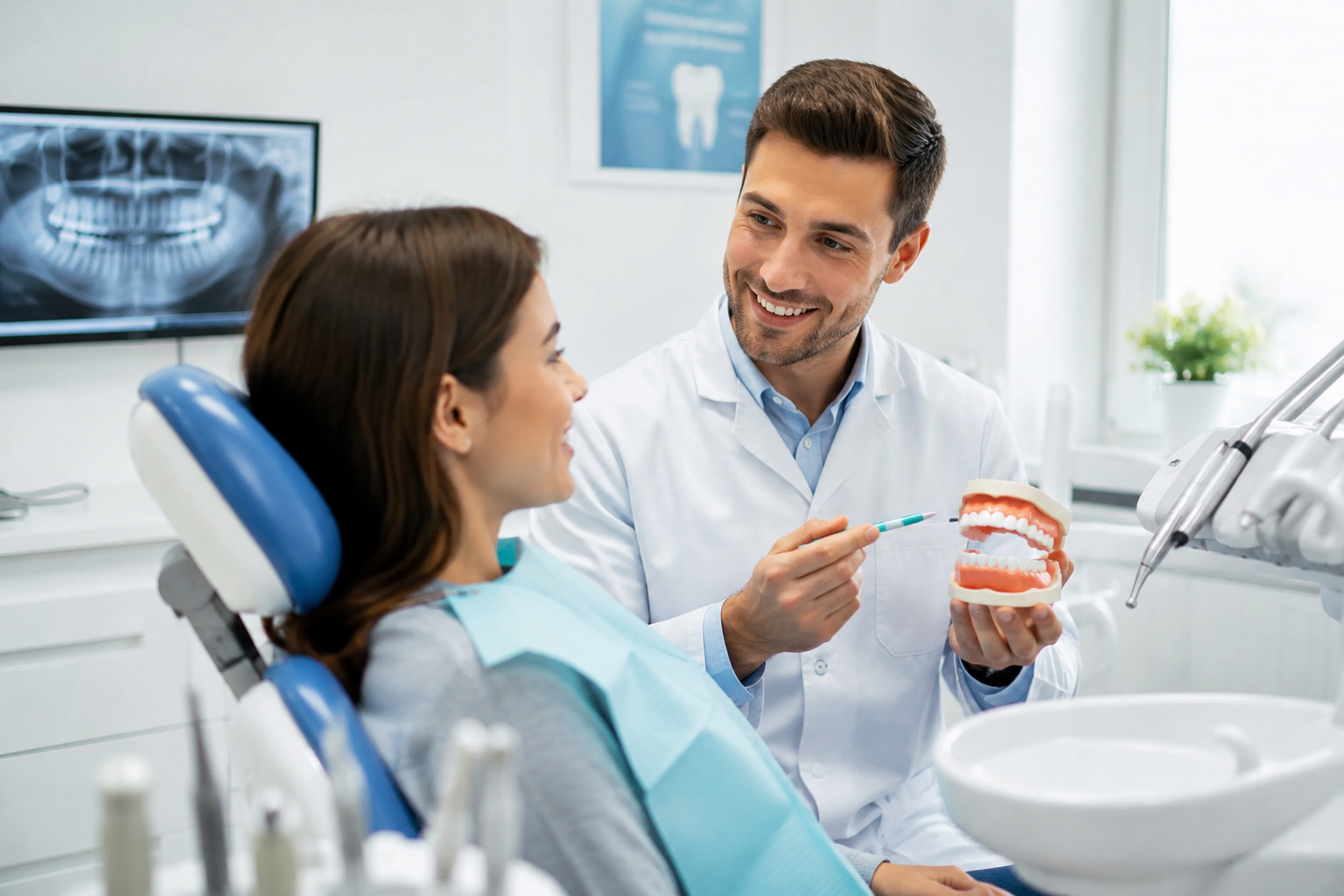
Benefits of Cosmetic Dentistry Rancho Cucamonga CA — How Modern Smile Makeovers Improve Confidence, Comfort, and Oral Health
You’ll notice a brighter, more confident smile can change how you feel about yourself and how others respond to you. Cosmetic dentistry in Rancho Cucamonga offers practical, modern treatments—like teeth whitening, veneers, and clear aligners—that improve appearance while supporting oral health.
They make procedures comfortable and predictable with updated technology and personalized care, so you can expect less chair time and better results. As you explore options, you’ll learn how specific treatments address stains, chips, misalignment, and even bite-related wear, helping you choose what fits your goals and lifestyle.
How Cosmetic Dentistry Enhances Your Smile
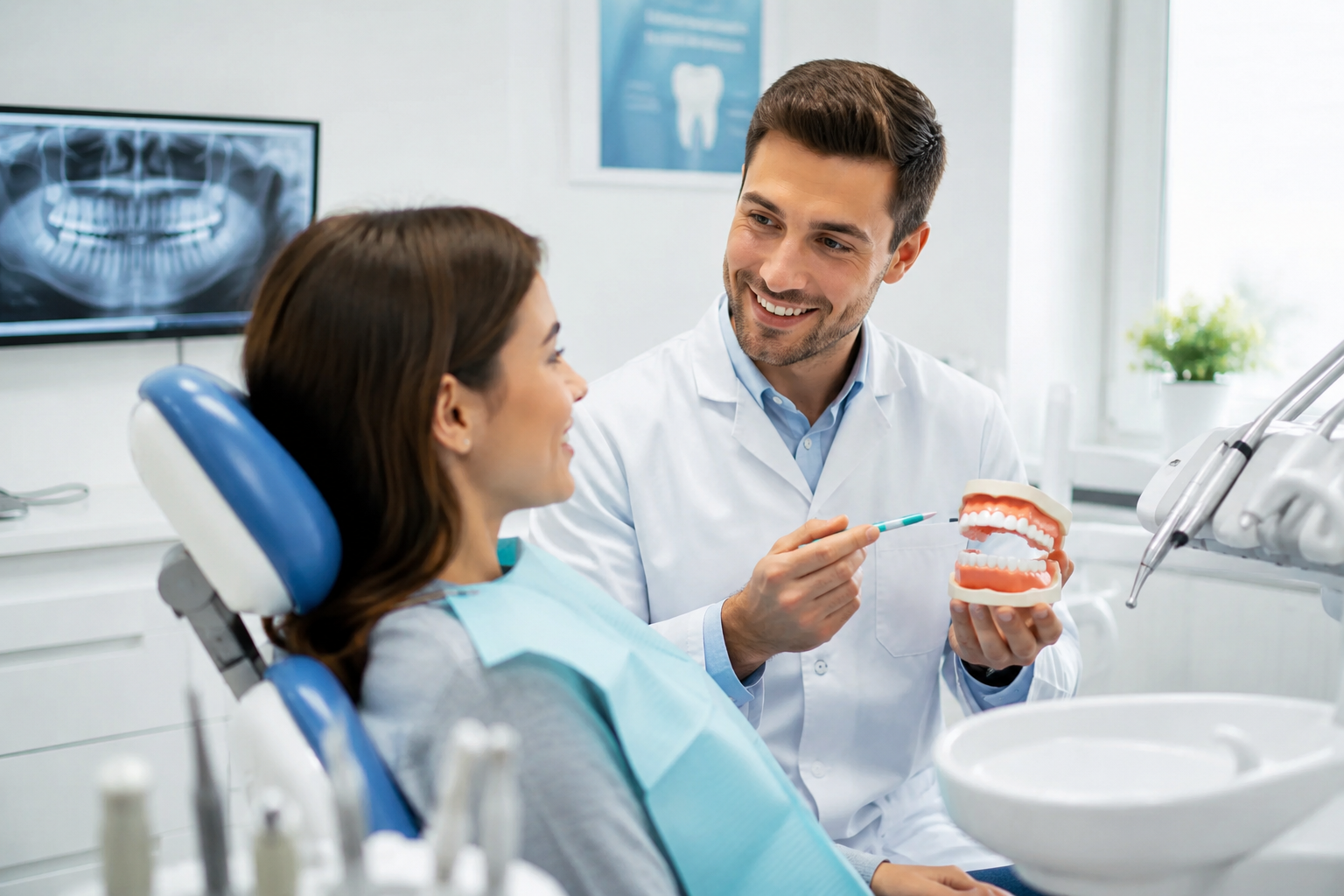
Cosmetic dentistry improves appearance, function, and oral health through targeted treatments that address discoloration, gaps, chips, and uneven teeth. Procedures like veneers, whitening, bonding, and Invisalign deliver measurable changes in tooth color, alignment, and shape while often strengthening enamel and restoring bite balance.
Boosting Self-Confidence
Cosmetic dentistry can change how a person feels about smiling by correcting visible flaws that cause embarrassment. For example, porcelain veneers cover chips and gaps with a natural-looking surface, while composite bonding fills small chips and closes minor gaps in a single visit. These options give predictable esthetic results without extensive tooth removal.
Many patients report feeling more willing to speak, laugh, and engage in photos after treatment. That behavioral shift often leads to improved workplace presence and social ease. Dentists customize shade, shape, and proportions so restorations match facial features and look authentic.
Treatment plans also consider longevity and maintenance. Professional whitening may require touch-ups every 6–18 months, while veneers typically last 10–15 years with proper care. Clear communication about costs, expected outcomes, and aftercare empowers patients to choose options that align with their lifestyle and budget.
First Impressions and Social Interactions
A healthy, balanced smile influences how others perceive competence, friendliness, and trustworthiness. Straight, evenly spaced teeth contribute to perceptions of professionalism during interviews, meetings, and presentations. Invisalign and clear aligners shift teeth discreetly over months, improving alignment without metal brackets.
Smiles that show uniform color and proportion make facial expressions more harmonious. Dentists often use digital smile design to preview changes, helping patients visualize outcomes before committing to treatment. This preview reduces anxiety and ensures chosen results match the patient’s goals.
Restorative cosmetic work—crowns, onlays, and bonded repairs—also restores proper bite mechanics, which can reduce jaw strain and improve speech clarity. That functional improvement supports clearer communication in social and professional settings, not just a better look.
Brighter, Whiter Teeth
Teeth whitening offers one of the fastest ways to refresh a smile, with clinical-strength in-office whitening producing noticeable results in a single appointment. Take-home whitening trays prescribed by a dentist provide controlled, gradual whitening that reduces sensitivity risk compared with over-the-counter options.
Professional whitening targets intrinsic and extrinsic stains using higher-concentration peroxide gels and protective protocols. For stains that don’t respond to bleaching—old restorations or deep discoloration—veneers or bonded restorations provide a permanent color match. Dentists select shades based on skin tone and age for natural-looking brightness.
Maintenance steps maximize longevity: avoid frequent coffee, tea, and red wine; use a straw for dark beverages; and follow a fluoride and desensitizing regimen if needed. Regular dental cleanings every 3–6 months also remove surface stains and keep restorations looking their best.
Common Cosmetic Dental Treatments in Rancho Cucamonga
Patients often choose treatments that address stains, chips, gaps, and uneven teeth while prioritizing comfort, durability, and natural results. Cost, treatment time, and longevity vary, so most consult with a local dentist to match goals and budget.
Teeth Whitening Options
In-office whitening uses concentrated hydrogen peroxide gels and LED or heat activation to lift deep stains in one visit. Results typically appear after a single 60–90 minute appointment, producing shades several levels lighter; sensitivity is possible but usually temporary and managed with desensitizing agents.
Take‑home professional kits provide custom-fitted trays and lower‑strength peroxide for daily use over 1–2 weeks. These deliver gradual, controllable whitening with less sensitivity than office systems and allow touch-ups later.
Over‑the‑counter products (strips, toothpastes) offer modest improvement for surface stains but rarely match professional results. A consultation helps determine the safest option based on existing restorations, gum health, and stain type.
Porcelain Veneers
Porcelain veneers are thin ceramic shells bonded to the front of teeth to correct color, shape, minor misalignment, and gaps. The process usually requires two to three visits: consultation and planning, tooth preparation and impression, then bonding. Porcelain mimics enamel’s translucency and resists staining, making veneers a long‑lasting cosmetic choice.
Patients should expect conservative enamel removal (often 0.3–0.7 mm) and a recovery period with mild sensitivity for a few days. Proper care—regular brushing, flossing, and avoiding hard biting—preserves veneers for 10–15 years on average. Dentists evaluate bite, opposing teeth, and existing restorations to ensure veneers fit with overall oral health.
Dental Bonding
Dental bonding uses tooth-colored composite resin to repair chips, close small gaps, or reshape teeth in a single visit. The dentist roughens the tooth surface, applies adhesive, sculpts the resin, then cures it with a light. Bonding is minimally invasive and usually requires little to no enamel removal.
Bonding suits front teeth and small cosmetic fixes but stains and wears faster than porcelain. Typical lifespan ranges from 4–8 years depending on oral habits and material care. Patients looking for a quicker, lower‑cost cosmetic fix often choose bonding as a reversible, easily repairable option.
Improving Oral Health Through Cosmetic Procedures
Cosmetic treatments often do more than improve appearance; they can correct bite problems, reduce areas where plaque collects, and restore weakened teeth to full function. These changes help patients maintain cleaner mouths, lower their risk of decay, and preserve natural tooth structure.
Correcting Minor Alignment Issues
Clear aligners and minor orthodontic options can shift a few teeth to close small gaps, correct mild crowding, or level slight rotations. When teeth sit correctly, chewing forces distribute evenly, which reduces abnormal wear and stress on specific teeth and helps prevent fractures over time.
Straightening teeth also reduces tight spaces where food and bacteria hide. Patients report easier flossing and more effective brushing after treatment, which translates into fewer cavities and less gum inflammation. For many adults, short-term aligner plans (6–12 months) deliver meaningful health benefits without full orthodontic treatment.
Dentists often combine bonding or reshaping with minor alignment to refine contacts and contact points. This integrated approach improves bite function and esthetics at the same visit or shortly after aligner therapy. Treatment planning includes digital scans and occlusal analysis to ensure corrections support long-term oral health.
Supporting Better Home Care
Cosmetic upgrades like veneers, crowns, and properly contoured restorations create smoother surfaces that resist plaque retention. Smoother enamel or porcelain margins make daily brushing and interdental cleaning more effective, reducing gingivitis risk and simplifying routine oral hygiene.
Improved tooth shape can open access for floss or interdental brushes where previous contours trapped debris. For patients with deep grooves or rough enamel, minimal-prep veneers or polishing can eliminate retention zones. Dentists instruct patients on tailored home-care tools and techniques that match the new restorations.
Regular professional maintenance—cleanings, sealant touch-ups, and monitoring—keeps cosmetic work functioning well and extends its preventive benefits. Modern materials resist staining and biofilm buildup better than older restorations, which helps maintain both health and appearance between visits.
Restoring Damaged Teeth
Crowns, onlays, and composite restorations rebuild teeth weakened by decay, fractures, or large fillings. Restored teeth regain structural integrity, which prevents further breakage and reduces the need for emergency treatment or extraction.
Modern adhesive techniques preserve more natural tooth structure than traditional full-coverage approaches. For example, ceramic onlays bond to remaining enamel and dentin, distributing bite forces and sealing margins to block bacteria. This conservative philosophy favors long-term tooth survival.
When root canals have left teeth brittle, cuspal coverage restorations protect against future cracks. Dentists evaluate each tooth’s fracture risk and choose restorations that balance durability, appearance, and minimal invasiveness to support lasting oral health.
If the reader wants to discuss which cosmetic option best supports their oral health, they should schedule a consultation to review scans, treatment timelines, and expected maintenance.
Technology and Comfort in Local Cosmetic Dentistry
Modern practices in Rancho Cucamonga invest in tools and techniques that reduce discomfort, speed treatment, and improve predictability. Patients will notice digital imaging, quieter devices, and workflow that shortens chair time while improving outcomes.
Modern Equipment for Gentle Care
Dental offices commonly use intraoral scanners to replace messy impressions. These scanners create precise 3D models in minutes, which speeds crown, veneer, and Invisalign planning and reduces repeat visits.
Many clinics pair scanners with CBCT (cone beam CT) for detailed jaw and bone views when implants or complex restorations are planned. The imaging exposes patients to low radiation compared with older CT systems and helps clinicians plan placement to avoid nerves and sinuses.
Operatories often include electric handpieces and quiet suction to lower noise and vibration, plus ergonomic chairs and warm blankets for added comfort. Sedation options range from nitrous oxide to oral conscious sedation, depending on the procedure and patient anxiety.
Digital shade-matching devices and CAD/CAM milling units allow same-day restorations in some offices, cutting lab wait times and reducing the number of appointments.
Minimally Invasive Techniques
Minimally invasive cosmetic dentistry focuses on preserving natural tooth structure. For example, porcelain veneers today can be ultra-thin and require little to no enamel removal, and composite bonding frequently repairs chips and gaps without extensive preparation.
Laser dentistry assists with gum recontouring and soft-tissue procedures by reducing bleeding and post-op discomfort. Lasers also sterilize treatment sites, which can lower infection risk and speed healing.
For whitening, in-office LED-accelerated systems provide controlled, monitored results in a single visit, while at-home trays use custom-fit molds from digital scans to maintain fit and effectiveness. Patients benefit from targeted approaches that limit enamel alteration and protect long-term tooth health.
Clinicians combine these techniques with thorough diagnostics so treatment plans match goals and minimize unnecessary procedures.
Quality of Life Benefits Beyond the Smile
Cosmetic dental treatments can change more than appearance; they can improve eating comfort, speech clarity, and social confidence. Patients often report measurable day-to-day improvements after procedures like crowns, veneers, implants, or gum reshaping.
Positive Effects on Daily Activities
Improved tooth alignment and restorations reduce chewing pain and make it easier to eat a wider range of foods. For example, a patient who received dental implants can bite into apples and chew nuts without shifting a denture or avoiding certain textures. That practical change helps maintain balanced nutrition and supports overall health.
Speech clarity often improves when gaps are closed and front teeth are reshaped. Dental veneers or bonded restorations can correct minor tooth size and spacing issues that cause lisping or whistling during certain sounds. Patients notice clearer conversation in meetings and family settings.
Reduced oral discomfort from cracked or decayed teeth also increases daily comfort. Fixing sensitive areas with crowns or onlays lets patients drink hot coffee or cold water without wincing. These small reliefs add up to fewer interruptions in routine activities.
Motivation for Long-Term Dental Hygiene
Cosmetic results provide visible rewards that encourage consistent home care. After investing in veneers or whitening, many patients brush twice daily, floss regularly, and use fluoride mouthwash to protect their new restorations. This behavior lowers future repair needs and helps preserve the cosmetic outcome.
Regular professional follow-up becomes more appealing once a patient values the aesthetic improvements. People are likelier to schedule six-month cleanings and maintenance visits when they want to protect their investment in crowns, implants, or periodontal treatments. That proactive care reduces the risk of decay and gum disease.
Emotional investment also supports adherence to dentists’ recommendations. When patients notice compliments or feel more confident in social settings, they stay motivated to avoid tobacco, limit staining foods, and follow dietary advice that protects oral health. These small lifestyle changes extend the benefits of cosmetic work over years.
Choosing the Right Cosmetic Dentist in Rancho Cucamonga
Selecting a cosmetic dentist affects both appearance and oral health. Look for a team that combines proven technical skill with clear communication about options, timeline, and costs.
What to Look for in a Local Dental Team
Patients should verify credentials and experience first. Confirm the dentist’s board certifications, years performing specific procedures (veneers, crowns, Invisalign), and before-and-after photos of local cases.
Assess the practice’s technology and safety protocols. Modern imaging (CBCT, digital intraoral scanners) improves planning and results. Ask about sterilization, COVID-era ventilation upgrades, and emergency procedures.
Evaluate patient experience and support staff. Read recent local reviews and request references. Check if the office offers sedation options, flexible scheduling, financing, and a clear written estimate for treatment phases.
Visit the office for a consult to gauge communication style. A good team explains options, shows digital mockups, and discusses maintenance. They should answer questions about lifespan of restorations, warranty, and coordination with specialists when needed.
Understanding Personalized Treatment Plans
A personalized plan starts with a comprehensive exam and diagnostic records. Expect digital photos, X-rays, bite analysis, and a discussion of aesthetic goals tied to function and long-term health.
Look for plans that balance aesthetics with conservative tooth preservation. The dentist should prioritize minimally invasive options first and explain when veneers or crowns are medically necessary versus purely cosmetic.
Pay attention to staged timelines and contingency steps. A clear plan lists sequence of appointments, healing windows, provisional restorations, and follow-up care. It also outlines costs, insurance coding, and payment schedules.
Confirm communication about expected outcomes and risks. The dentist should provide visual simulations, discuss color matching, material choices (porcelain vs. composite), and realistic maintenance needs to protect investment and oral health.
Ready to Explore Your Options?
Patients in Rancho Cucamonga can schedule a consultation to review cosmetic dentistry choices tailored to their goals and budget. The dentist evaluates oral health first, then discusses options like veneers, whitening, implants, and clear aligners.
They often show before-and-after photos and use digital imaging to preview results. This helps patients visualize changes and choose treatments that match facial features and lifestyle.
Costs vary by procedure and insurance coverage; many practices offer payment plans or financing. Asking about maintenance, lifespan of restorations, and potential risks helps patients make informed decisions.
A simple checklist can guide the first visit:
- Bring questions and any dental records.
- Share medical history and cosmetic goals.
- Ask about sedation, recovery time, and follow-up care.
Comfort and communication matter; trusted offices prioritize pain management and explain each step. Patients should expect clear timelines and a treatment plan that balances aesthetics with long-term oral health.
They are encouraged to call or book online to discuss options and set up an exam. A friendly consultation clarifies next steps and helps patients feel confident about their smile choices.
Frequently Asked Questions
This section answers common patient concerns about cosmetic dental options, expected results, comfort during treatment, timelines, and how to decide if procedures fit personal goals and budget. Each question addresses specific procedures, maintenance steps, and what to expect in Rancho Cucamonga clinics.
How can a smile makeover improve confidence and first impressions?
A smile makeover aligns visible improvements—whiter teeth, even spacing, and balanced proportions—with the patient’s facial features. When teeth look healthy and symmetrical, people often report feeling more comfortable in social and professional settings.
Clinics in Rancho Cucamonga focus on realistic results that suit a patient’s age and lifestyle. Technicians and dentists use digital smile design to preview changes so patients know how their appearance will adjust before treatment begins.
Which cosmetic dental treatments are best for fixing chips, gaps, or uneven teeth?
Minor chips and small gaps respond well to composite bonding, which sculpts tooth shape in a single visit. Bonding preserves tooth structure and is cost-effective for localized repairs.
For larger chips, significant gaps, or persistent alignment issues, porcelain veneers or clear-aligner treatment combined with veneers provide longer-lasting esthetics. Crowns suit teeth with structural damage or large restorations where strength is a priority.
What’s the difference between veneers, bonding, and crowns for improving tooth shape and color?
Bonding uses tooth-colored resin applied directly to enamel and cured in one appointment; it’s conservative but less stain-resistant. Veneers are thin porcelain shells that cover the front surface, offering superior color stability and a natural translucency.
Crowns encase the full tooth and restore both appearance and strength; they require more tooth reduction and work well for teeth with decay, large fillings, or fracture. Each option balances durability, cost, and how much tooth structure is altered.
How long do professional whitening results typically last, and how can I keep my teeth bright?
In-office whitening commonly yields results that last 6 to 24 months, depending on diet and oral habits. Regular at-home touch-ups with custom trays or occasional professional maintenance extends the effect.
Avoiding frequent coffee, red wine, and tobacco reduces staining. Using a whitening toothpaste weekly and maintaining routine cleanings in Rancho Cucamonga dental offices helps preserve brightness.
How do I know if cosmetic dentistry is worth the investment for my goals and budget?
Value depends on the patient’s priorities: appearance improvement, functional needs, and expected lifespan of the treatment. A dentist will compare options by cost, longevity, and how many visits each option requires.
Patients should request a written estimate and consider financing or phased treatment to spread costs. Many find quality cosmetic work pays back through improved confidence and reduced need for repeat repairs.
What should I expect during a cosmetic dentistry consultation, including comfort options and timelines?
The consultation includes a clinical exam, photographs, X-rays as needed, and a conversation about goals and budget. Digital mock-ups or trial restorations often illustrate proposed outcomes in a visit that typically lasts 30–60 minutes.
Comfort measures such as topical anesthetic, local anesthesia, nitrous oxide, or oral sedation are available based on procedure and patient anxiety. Timelines range from a single visit for bonding or whitening to several weeks for veneers or crowns, including lab fabrication and follow-up adjustments.