
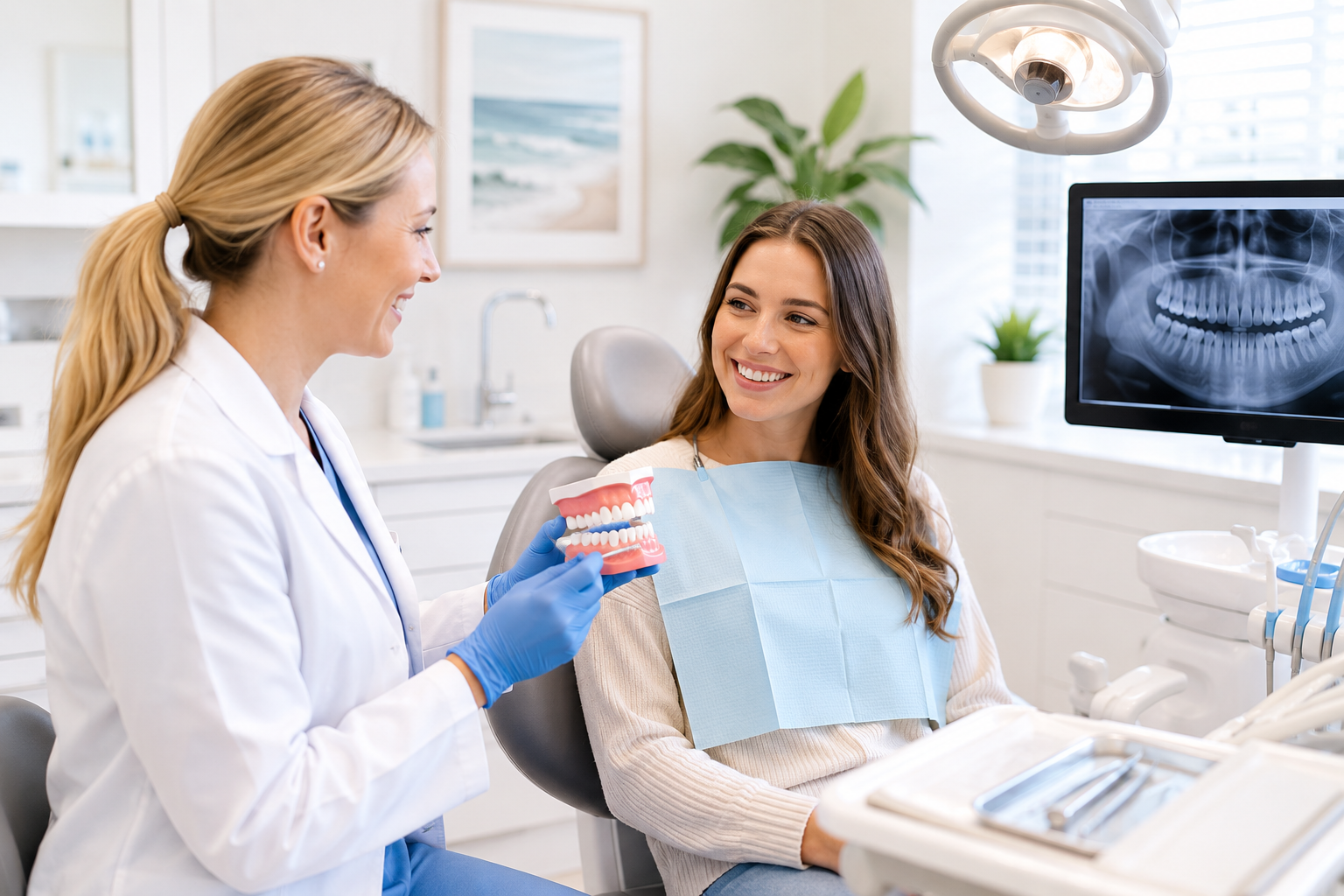
Emergency Dental Services Rancho Cucamonga CA — Fast, Compassionate Care for Tooth Pain and Trauma
You face a sudden toothache or a knocked-out tooth and need clear, practical help right away. You can find same-day emergency dental care in Rancho Cucamonga that stabilizes pain, prevents infection, and preserves your smile. This article explains how to recognize urgent problems, what happens during an emergency visit, and which treatments local clinics commonly provide.
Expect straightforward guidance on immediate home steps, simple aftercare, and how to choose a trusted nearby provider. The piece also points to community resources and common questions so you feel prepared and calm when minutes count.
Recognizing Dental Emergencies
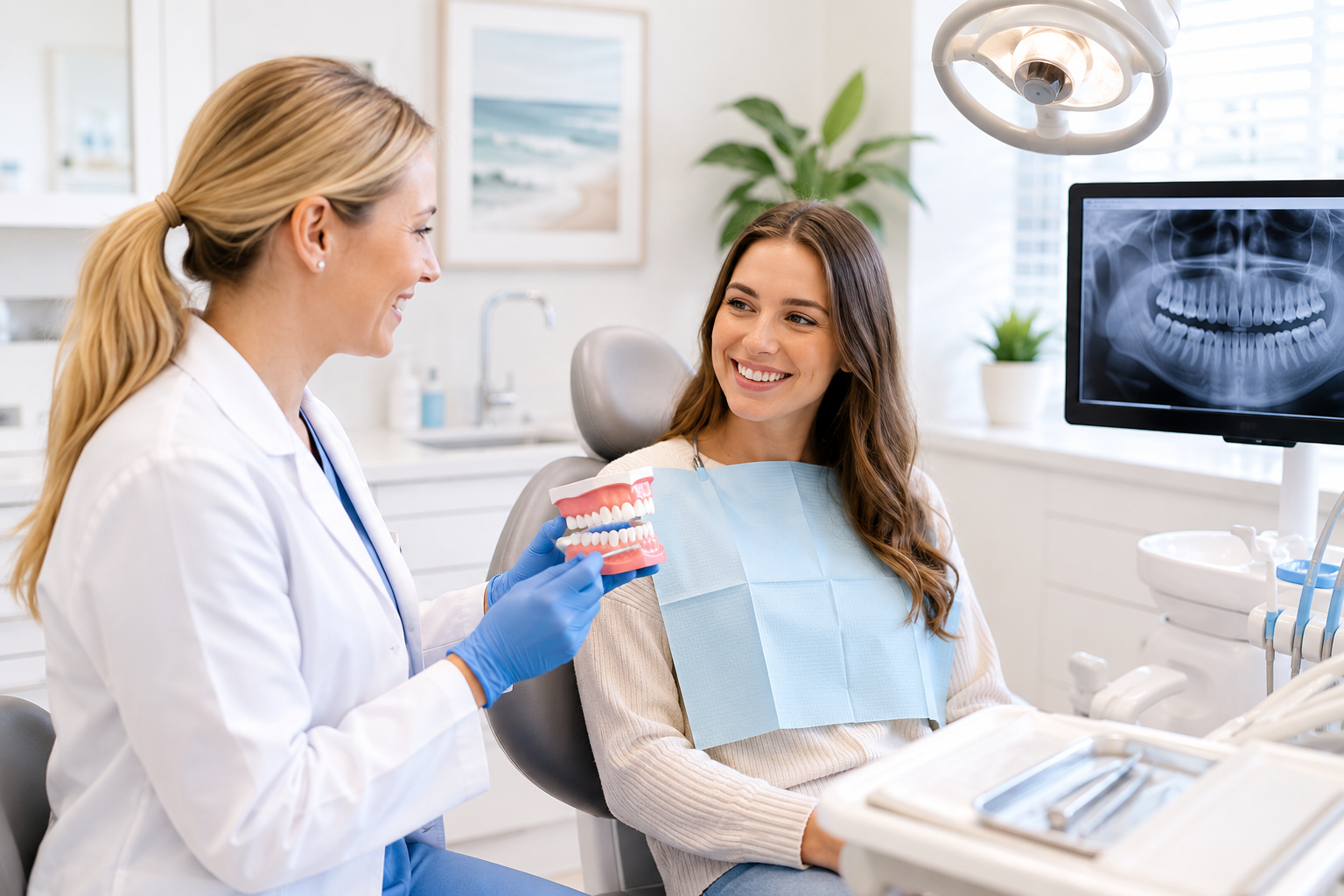
Quick recognition helps patients get timely care and avoid complications. The next subsections explain which symptoms need immediate attention, the urgent conditions commonly seen in clinics, and how to decide between same-day care and watchful waiting.
Common Signs You Need Immediate Care
Severe tooth pain that wakes a person or prevents eating often indicates infection or nerve damage. Pain that persists despite over-the-counter analgesics or radiates to the jaw, ear, or temple requires urgent evaluation.
Uncontrolled bleeding after dental trauma or an extraction that soaks more than a gauze pad in 30–60 minutes needs prompt treatment. Any loose permanent tooth after a blow, especially if it’s displaced, fractured, or causing bite changes, should be seen the same day.
Signs of spreading infection—facial swelling, fever above 100.4°F (38°C), difficulty breathing or swallowing, or swollen lymph nodes—are red flags for emergency care. A persistent bad taste or pus around a tooth also suggests an abscess that should not be delayed.
Types of Urgent Dental Problems
Tooth fractures that expose the nerve or cause sharp edges can cause intense pain and infection risk. Chipped enamel without pain can wait for an appointment, but fractured cusps or vertical root fractures often need rapid attention.
Dental abscesses and severe pulpitis represent common emergencies; both can cause throbbing pain, swelling, and systemic symptoms. Treatment may include drainage, root canal therapy, or extraction, plus antibiotics when there’s systemic involvement.
Traumatic injuries—avulsed (knocked-out) permanent teeth, displaced teeth, and extensive soft-tissue lacerations—require immediate action. For knocked-out teeth, place the tooth in milk or saline and get to an emergency dentist within an hour for the best chance of reimplantation.
When to Seek Help Versus Wait
Seek same-day care for severe or worsening pain, swelling that affects breathing or swallowing, persistent bleeding, or any trauma that alters tooth position. These situations risk infection spread, airway compromise, or permanent tooth loss if delayed.
Call the dental office before arriving for high fever, signs of systemic infection, or if a child has a dental injury. Non-urgent issues—mild sensitivity, small chips without pain, and stable restorations—can wait for the next available appointment.
If unsure, contact the emergency dental clinic; staff can triage by phone and advise whether to come in, use home first-aid, or visit an urgent care or emergency room. This helps patients get appropriate care quickly while avoiding unnecessary ER visits.
What To Expect During an Emergency Visit
Patients will receive a focused intake, rapid pain control, and clear next-step recommendations. Staff prioritize diagnosis, immediate relief, and comfort measures tailored to each patient’s situation.
Initial Assessment Process
When the patient arrives, the front desk collects basic medical history, current medications, and details of the dental problem. The triage nurse or dental assistant measures vital signs when indicated and documents pain level, swelling, and any systemic symptoms such as fever.
The dentist performs a targeted clinical exam of the mouth and head-and-neck. This includes visual inspection, palpation of swelling, and percussion or mobility tests on the affected tooth. The dentist orders limited radiographs (bitewing, periapical, or panoramic) as needed to identify fractures, abscesses, or foreign objects.
Based on findings, the dentist explains the diagnosis, urgent treatment options, and estimated time and cost. Staff confirm allergy status and obtain informed consent before any invasive procedure or medication.
Pain Relief Options
Immediate pain control begins with local anesthetic infiltration or nerve block to numb the affected area for most procedures. For severe pain, the dentist may use longer-acting anesthetics or supplemental intraosseous/periodontal ligament injections when necessary.
For inflammatory pain, a short course of NSAIDs (ibuprofen) is commonly recommended unless contraindicated. When infection causes acute pain, the dentist prescribes antibiotics appropriate for the suspected bacteria and patient health history.
If pain persists after initial measures, the dentist discusses temporary measures such as pulp debridement, a sedative dressing, or extraction. Prescription analgesics (opioids) are reserved for short-term use and paired with non-opioid medications when possible. Clear instructions cover dosage, side effects, and follow-up.
Comfort Measures for Nervous Patients
For anxious patients, staff offer several options to reduce fear and improve cooperation. They explain each step in plain language and show instruments or models to set expectations and reduce surprises.
Nitrous oxide (“laughing gas”) provides mild sedation and rapid recovery for patients with moderate anxiety. For greater anxiety or lengthy procedures, the dentist coordinates oral sedatives or IV sedation with proper monitoring and a qualified clinician.
Non-pharmacologic comforts include warm blankets, noise-cancelling headphones, and allowing a companion to stay when clinic policy permits. The dentist schedules short breaks during treatment and uses topical anesthetic before injections to minimize discomfort.
Treatment Solutions for Urgent Needs
Emergency dental teams focus on rapid pain control, infection management, and restoring function. They prioritize diagnosis with X-rays, prescribe medications when needed, and offer procedures that save teeth or temporarily stabilize them until definitive care.
Managing Toothaches and Infections
When a patient presents with severe tooth pain, clinicians first take a focused history and digital X-rays to pinpoint the source, such as pulpitis, an abscess, or referred pain from sinus issues. They perform pulp testing and look for swelling, fever, or difficulty swallowing—signs that infection may be spreading and need immediate attention.
Treatment often begins with pain control and infection containment. Providers may give a local anesthetic for immediate relief, prescribe antibiotics like amoxicillin or clindamycin for spreading infections, and recommend NSAIDs for inflammation. If the tooth’s pulp is infected but restorable, emergency root canal therapy or pulpotomy may be performed same day to remove infected tissue.
If the tooth is non-restorable or the patient prefers extraction, clinicians extract the tooth, irrigate the socket, and place gauze for hemostasis. They explain aftercare clearly: warm salt rinses after 24 hours, avoid smoking, and take prescribed antibiotics and analgesics as directed. Follow-up scheduling for definitive restoration—implant, bridge, or partial denture—is arranged before discharge.
Addressing Broken or Knocked-Out Teeth
For fractured crowns or dental trauma, immediate assessment looks for tooth mobility, pulp exposure, and alveolar fracture using clinical exam and radiographs. Time and the condition of the tooth determine approach: a knocked-out permanent tooth has the best prognosis if replanted within 30–60 minutes.
Emergency steps for avulsed permanent teeth:
- Handle by the crown only; avoid touching the root.
- Rinse gently with saline if dirty; do not scrub.
- Place tooth in milk, saline, or the patient’s mouth (buccal vestibule) and head to the clinic quickly.
At the clinic, they perform replantation with local anesthesia, suture as needed, and splint the tooth to adjacent teeth for 1–2 weeks. For complicated fractures with pulp exposure, partial pulpotomy or root canal treatment follows depending on tooth maturity. They discuss restorative options such as bonded composite, crowns, or root canal–plus-crown for long-term function.
Quick Fixes for Lost Fillings or Crowns
A lost filling or crown exposes dentin and can cause sensitivity, food trapping, and decay progression. Clinicians assess for remaining tooth structure, secondary caries, and margins, then discuss immediate versus definitive options.
Temporary measures commonly used in-office include:
- Recementation of intact crowns using dental adhesive cements.
- Placement of temporary filling material (e.g., zinc oxide-eugenol or composite provisional) to seal the cavity and reduce sensitivity.
- Smoothing sharp edges and removing debris to prevent soft-tissue injury.
If the crown is damaged or recurrent decay is present, the dentist outlines next steps: new impression and lab-fabricated crown, onlay, or direct composite restoration. They give clear home-care instructions: avoid sticky or hard foods, use fluoride toothpaste, and return for permanent restoration within 1–2 weeks to prevent further complications.
Immediate Steps to Take at Home
Act quickly and calmly. Control bleeding, reduce pain, and preserve any tooth fragments while arranging prompt professional care.
First Aid for Dental Accidents
If bleeding occurs, have the person sit upright and lean slightly forward to avoid swallowing blood. Apply firm, continuous pressure with clean gauze or a folded cloth directly to the wound for 10–20 minutes; replace the dressing only if soaked through.
To reduce swelling and pain, apply a cold pack to the outside of the cheek for 10–15 minutes on, 10 minutes off. Over-the-counter ibuprofen or acetaminophen may be given per package directions unless contraindicated; avoid aspirin for children.
For injured lips or tongue, cleanse gently with saline or clean water. If a foreign object is embedded or bleeding won’t stop after 20 minutes of pressure, seek emergency care immediately.
Protecting a Dislodged Tooth Before Care
If a tooth is knocked out, pick it up by the crown only—do not touch the root. Rinse the tooth gently with saline or milk for up to 10 seconds if dirty; avoid scrubbing or using soap.
Try to reinsert the tooth into the socket, facing the correct way, and hold it in place by biting on gauze or a clean cloth. If reinsertion is not possible, store the tooth in cold milk or a tooth-preservation solution (like Save-A-Tooth) and keep it refrigerated. As a last resort, place the tooth in the patient’s cheek pouch to keep it moist, but avoid swallowing.
Contact an emergency dentist immediately—success for reimplantation declines sharply after 60 minutes. Bring the tooth and any fragments to the appointment, and note the time of injury for faster, more informed treatment.
Aftercare and Prevention Tips
Follow specific home care steps and short-term precautions to protect repairs and reduce infection risk. Adopt practical daily habits and routine dental visits to lower the chance of future emergencies.
Caring for Your Smile Post-Treatment
After an extraction, root canal, crown placement, or trauma repair, follow the dentist’s written instructions exactly. For extractions, keep gauze in place for 30–60 minutes, avoid spitting, and sleep with the head elevated to limit bleeding. Use a cold pack on the cheek for 15 minutes on, 15 minutes off during the first 24 hours to reduce swelling.
Take prescribed antibiotics and pain medications on schedule; do not substitute or skip doses. Rinse gently with warm saltwater (½ teaspoon salt in 8 ounces water) starting 24 hours after extraction, four times daily for a week. For crowns or bonded repairs, avoid hard, sticky, or chewy foods for 48–72 hours and use a nightguard if bruxism was noted.
Watch for specific warning signs: fever above 101°F, increasing or throbbing pain after initial relief, persistent bleeding beyond 12 hours, or pus/ foul taste. Contact the clinic immediately if any of these occur.
Tips to Avoid Future Emergencies
Schedule check-ups every six months or as recommended to detect decay, loose fillings, or cracks early. Sealants and fluoride varnish protect molars and can be applied during routine visits to reduce rapid decay, especially for children and high-caries adults.
Wear a properly fitted mouthguard for contact sports and a custom nightguard for teeth grinding. Replace OTC guards annually and have adjustments made by the dentist if they feel loose or cause soreness.
Adopt daily habits that reduce risk: brush twice daily with a soft-bristled brush and 1,450–1,500 ppm fluoride toothpaste, floss once daily, and limit acidic or sugary snacks between meals. If dentures or implants are present, follow manufacturer and clinician cleaning protocols and report looseness or discomfort promptly.
If pain or damage occurs, call the emergency dental office immediately rather than waiting; rapid assessment often preserves teeth and reduces treatment complexity.
Choosing a Trusted Local Provider
Patients should look for a Rancho Cucamonga dentist who combines prompt emergency care with clear communication, modern equipment, and a calm office environment. Practical details like evening hours, insurance acceptance, and proximity matter just as much as clinical skills.
Qualities That Matter in a Dental Team
A trusted emergency dental team has dentists licensed in California with specific experience treating urgent issues such as tooth fractures, severe pain, and avulsions. Verify credentials: DDS/DMD, continuing-education certificates, and memberships in organizations like the American Dental Association signal ongoing training.
Staff should demonstrate triage skills to prioritize cases and explain treatment steps clearly. Receptionists who answer calls quickly and dentists who return emergency messages within the hour reduce stress.
Look for practices that list on-site imaging (digital X-rays, CBCT) and same-day restoration or sedation options. Patient comfort features—nitrous oxide, blankets, and clear cost estimates—matter.
Check recent online reviews for mentions of punctuality, pain control, and honest billing. A practice that posts its emergency hours and a direct after-hours contact builds trust.
How to Prepare for Your Visit
Gather essentials before leaving: a photo ID, current insurance card, a list of medications (including blood thinners and allergies), and a concise description of symptoms with onset time. If possible, bring a photo of the injured tooth or the broken piece in a sealed container or milk to aid assessment.
Call ahead to describe pain level, trauma details, and whether bleeding is active; the office can triage and advise first-aid steps like cold compresses or placing a knocked-out tooth in milk.
Expect to complete a brief medical history and sign consent forms; arrive 10–15 minutes early to speed registration. Ask for an estimated cost range and whether the practice offers payment plans or accepts out-of-network benefits.
Bring a list of questions: expected timeline for definitive care, pain-control options, and follow-up instructions to make the visit efficient and less stressful.
Community Resources in Rancho Cucamonga
Local clinics and community health centers offer walk-in and low-cost dental care for urgent needs. They often provide triage for tooth pain, broken teeth, or infections and can arrange referrals to specialists when necessary.
Public health programs in San Bernardino County sometimes cover emergency dental services for eligible residents. Patients should call ahead to confirm eligibility, hours, and whether same-day appointments are available.
Several private dental offices in Rancho Cucamonga maintain extended or weekend hours for true emergencies. These practices typically list emergency procedures they handle, such as extractions, root canal relief, and trauma care.
Useful contacts:
- Rancho Cucamonga Community Health Center — general urgent dental care and referrals.
- San Bernardino County Dental Program — eligibility and low-cost service info.
- Local dental society — directory of dentists offering emergency coverage.
Transportation and language access are common concerns; many providers coordinate interpretation services and can suggest rides or public transit routes. Insurance navigation help is often available at clinics to clarify coverage and out-of-pocket costs.
For immediate advice, 24-hour nurse lines and tele-dentistry services can guide initial steps and pain management before an in-person visit. They help determine if a trip to the emergency room, urgent dental clinic, or scheduled appointment is most appropriate.
Patients are encouraged to call their dentist or a listed community resource at the first sign of serious pain or trauma to secure timely care.
Gentle Guidance for Your Next Steps
If someone experiences a dental emergency in Rancho Cucamonga, they should remain as calm as possible and assess the situation quickly. Immediate actions can reduce pain and improve outcomes.
For uncontrolled bleeding or severe facial swelling, they should seek emergency care or call 911. These signs may indicate a serious condition that needs urgent medical attention.
For knocked-out teeth, they should handle the tooth by the crown, rinse gently if dirty, and try to reinsert it or store it in milk or saline. Time matters—seeing a dentist within an hour gives the best chance to save the tooth.
For severe tooth pain or a broken filling, they should rinse with warm salt water and apply a cold compress to reduce swelling. Over-the-counter pain relief and avoiding very hot or cold foods can help until professional care is available.
Practical checklist:
- Gather information: nature of injury, any medications, allergies.
- Call a local emergency dental clinic: confirm hours and whether they accept walk-ins.
- Bring records if possible: recent x-rays or a list of current medications.
They should choose a clinic that emphasizes patient comfort and modern treatment options. Compassionate staff and clear communication help reduce anxiety and speed treatment.
Encourage them to schedule a follow-up visit for definitive care and preventive planning. A quick consultation can answer questions and outline next steps for recovery.
Frequently Asked Questions
These answers explain what counts as a true dental emergency, how quickly patients can be seen, immediate steps after injury, after-hours availability, typical costs and payment options, and same-day treatment and sedation choices.
What counts as a true dental emergency, and when should I go to urgent care or the ER instead?
A true dental emergency includes uncontrolled bleeding, severe facial swelling that affects breathing or swallowing, and trauma that knocks out a tooth or splits the jaw. Intense tooth pain that cannot be relieved with OTC meds or causes fever may also qualify.
Go to an emergency room if breathing or airway compromise, major head injury, or life-threatening bleeding occurs. Visit urgent care for general medical issues; for most tooth pain and isolated dental trauma, see an emergency dentist in Rancho Cucamonga.
How quickly can I be seen if I have a severe toothache or swelling?
Most emergency dental clinics in Rancho Cucamonga offer same-day appointments and prioritize severe cases. Patients with severe pain or visible swelling often receive treatment within a few hours of calling.
Call the clinic as soon as possible and describe symptoms. Staff triage by severity and can advise whether to come immediately or use temporary home care until arrival.
What should I do right now if I chip, crack, or knock out a tooth?
If a tooth is knocked out, gently rinse it with water, avoid scrubbing, and try to reinsert it into the socket if possible. If reinsertion isn’t possible, store the tooth in milk or saliva and get to the dentist within one hour for the best chance of saving it.
For chips or cracks, rinse the mouth, apply a cold compress for swelling, and bring any fragments. Avoid chewing on the injured side and see a dentist promptly to prevent infection and further damage.
Do you offer after-hours or 24/7 help, and how does an emergency visit work?
Many Rancho Cucamonga dental practices provide after-hours triage via phone and rotating on-call coverage; a few clinics offer true 24/7 emergency care. When patients call, staff assess symptoms, give immediate instructions, and arrange the fastest available appointment.
An emergency visit typically includes exam, X-rays if needed, pain control, and a treatment plan. Providers stabilize acute problems first, then schedule follow-up care for definitive procedures.
How much does an emergency dental visit typically cost, and do you accept insurance or payment plans?
Emergency visit costs vary: initial exams and X-rays commonly range from $75–$250, while procedures like extractions or root canals add treatment fees. Exact pricing depends on the procedure, materials, and complexity.
Most practices accept major dental insurance and some medical plans for trauma-related care. Many clinics offer payment plans, CareCredit, or in-office financing to spread costs—call ahead to confirm accepted payments and estimate charges.
Can you treat my emergency the same day (like a root canal or extraction), and what are my comfort or sedation options?
Clinics often perform same-day extractions and limited pulpectomy procedures to relieve pain; definitive root canals may be started or completed the same day depending on scheduling and case complexity. The dentist will explain whether immediate treatment or staged care is safer.
Comfort options include local anesthesia, nitrous oxide (laughing gas), oral sedatives, and in some practices IV sedation for select patients. The team reviews medical history and anxiety level to recommend the safest, most comfortable option and obtains consent before sedation.